Aluminum Machined Parts & Billet Machined Components: Precision, Performance, Promise
In a world driven by high performance and exacting tolerances, aluminum machined parts — especially billet machined components — have become a cornerstone of modern manufacturing. From aerospace to medical devices, from automotive to electronics, these precision parts are pushing boundaries in weight, strength, and accuracy.
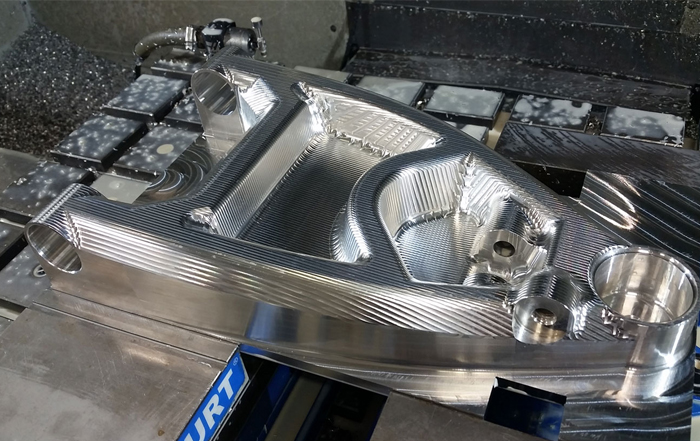
At its core, aluminum machining refers to shaping aluminum alloys into functional components through processes like milling, turning, drilling, and finishing. When we talk about billet machined components, we mean parts that are machined from a solid block (billet) of aluminum, rather than castings or forgings. This gives a clean, homogeneous material structure and superior consistency.
These billet-based aluminum machined parts are ideal when strength, precision, and reliability are paramount.
Aluminum’s popularity in precision machining arises from several standout material properties (as detailed by Mitotec).
- Lightweight: Aluminum is roughly one-third the weight of steel. This weight savings is critical in aerospace, automotive, and portable equipment design.
- High Strength-to-Weight Ratio: Modern aluminum alloys combine lower density with good mechanical strength—ideal for structural and load-bearing applications.
- Excellent Conductivity: Aluminum remains a strong conductor of heat (and electricity) even after machining, making it useful in thermal management or electrical parts.
- Corrosion Resistance: Aluminum naturally forms a tough oxide layer, providing inherent corrosion resistance. With post-treatment like anodizing, this protection is enhanced.
- Recyclability: Aluminum is fully recyclable without degradation of its properties—helping reduce both waste and raw material cost.
Because of these advantages, aluminum is a preferred choice in applications where light weight, heat dissipation, and long-term durability matter.
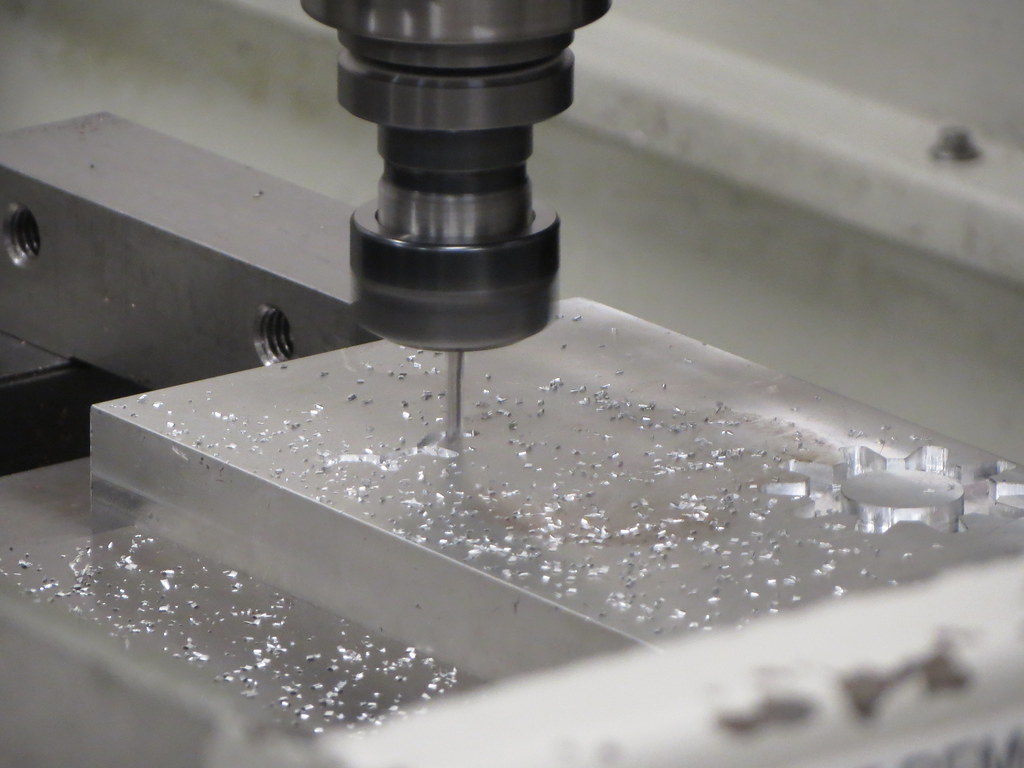
At King Group, advanced CNC and VMC machining deliver the accuracy, repeatability, and efficiency needed for aluminum and billet machined components.
- Design & CAM – CAD models converted into precise toolpaths.
- Material Selection – Alloys like 6061, 7075, 2024.
- Rough & Finish Machining – From bulk removal to fine tolerances.
- Surface Treatments – Anodizing, polishing, coating.
- Inspection – CMM and advanced metrology for quality
- Ultra-tight tolerances (±0.005 mm).
- Complex geometries with consistency.
- Prototype to mass production scalability.
- Faster cycle times with lower tool wear.
With aluminum’s high machinability, these advantages are further amplified, ensuring reliable and cost-effective results.
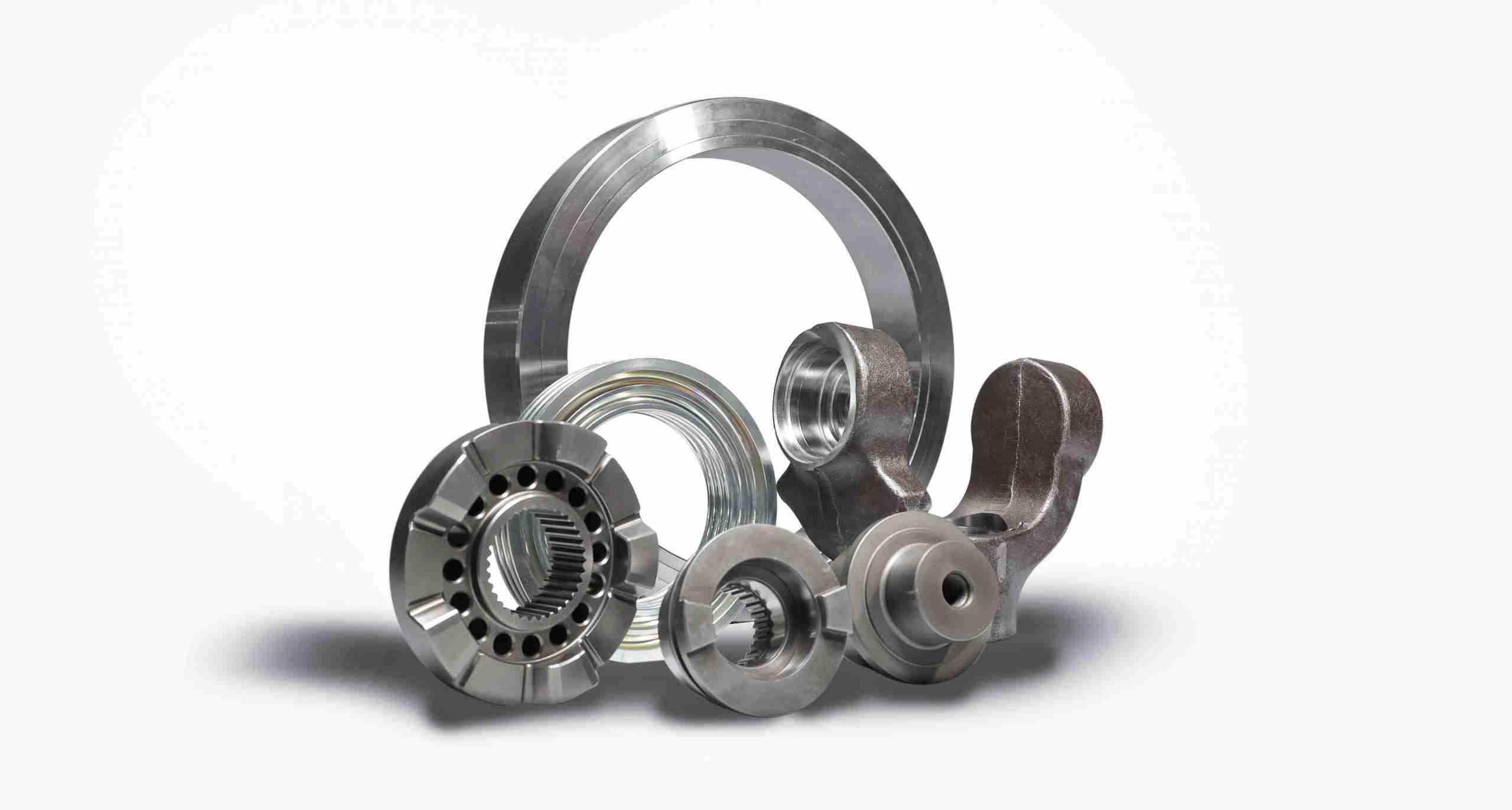
Choosing billet machining for aluminum parts introduces additional benefits over casting, forging, or welding routes:
- Material Homogeneity: Billets are solid, uniform, free of casting voids or porosity, which improves consistency and yields better mechanical properties.
- Better Surface Finish & Tolerances: Because machining starts from a clean, solid block, you avoid defects inherent in cast parts and achieve smoother finishes with tighter tolerances.
- Design Freedom : Complex internal features or optimized shapes can be realized more easily when machining from solid material.
- Reduced Risk of Defects: No porosity, shrinkage, or internal voids as in casting.
- Predictable Performance: Mechanical and thermal properties are consistent throughout the part.
While aluminum is one of the more machinable metals, some challenges must be managed:
- Chip Adhesion: Aluminum chips can weld to tool edges due to heat and pressure, leading to build-up and poor surface quality.
- Thermal Expansion: Aluminum can expand more at elevated temperatures than steel; temperature control and compensation are necessary.
- Tool Wear / Tool Selection: Though tool wear is less severe compared to steels or titanium, cutting tool geometry, coating, and material still matter.
- Machine Stability & ClampingVibration, deflection, or poor fixturing can degrade precision and surface quality.
- Coolant & Chip Evacuation: Efficient flushing is crucial to prevent chip recutting or surface damage.
By using precise process control, tooling strategies, and proper setup, these challenges can be mitigated.
Aluminum and billet machined parts find use across many sectors:
- Aerospace: Lightweight structural elements, brackets, housings, instrumentation enclosures.
- Automotive & Motorsport: Engine parts, suspension components, heat sinks, custom chassis parts
- Electronics & Thermal Management: Heat sinks, enclosures, connectors.
- Medical Devices: Surgical tools, prosthetic components, diagnostic equipment parts
- Industrial / Automation: Fixtures, robotic end-effectors, sensor housings
Whenever the combination of precision, light weight, strength, and reliability is needed, billet machined aluminum is often the choice.
Selecting a machining partner that understands both aluminum and billet machining is critical. Key qualities to look for:
- Multi-axis CNC & VMC capability (3, 4, 5 axis)
- Deep experience in aluminum alloys and machining strategies
- Quality systems and metrology (CMM, inspection)
- Ability to handle prototyping and volume production
- Post-processing and finishing expertise
- Material sourcing and supply chain reliability
With the right partner, you can turn your design goals into superior aluminum machined parts—especially billet machined components—with assurance.
Aluminum machined parts and billet machined components are redefining modern manufacturing with their strength, precision, and adaptability. At King Group, we combine material expertise, world-class machining, and decades of experience to deliver solutions that meet your exact requirements.
King Group – Precision, Performance, Promise.