Exploring the World of Drop Forging
In the realm of metalworking, where strength, durability, and precision matter, drop forging stands out as a time-tested and reliable manufacturing process. This metal forging technique has been a cornerstone in the production of high-quality metal components, contributing to the creation of robust products across various industries.
In this blog post, we’ll delve into the fascinating world of drop forging, exploring its principles, advantages, and applications.
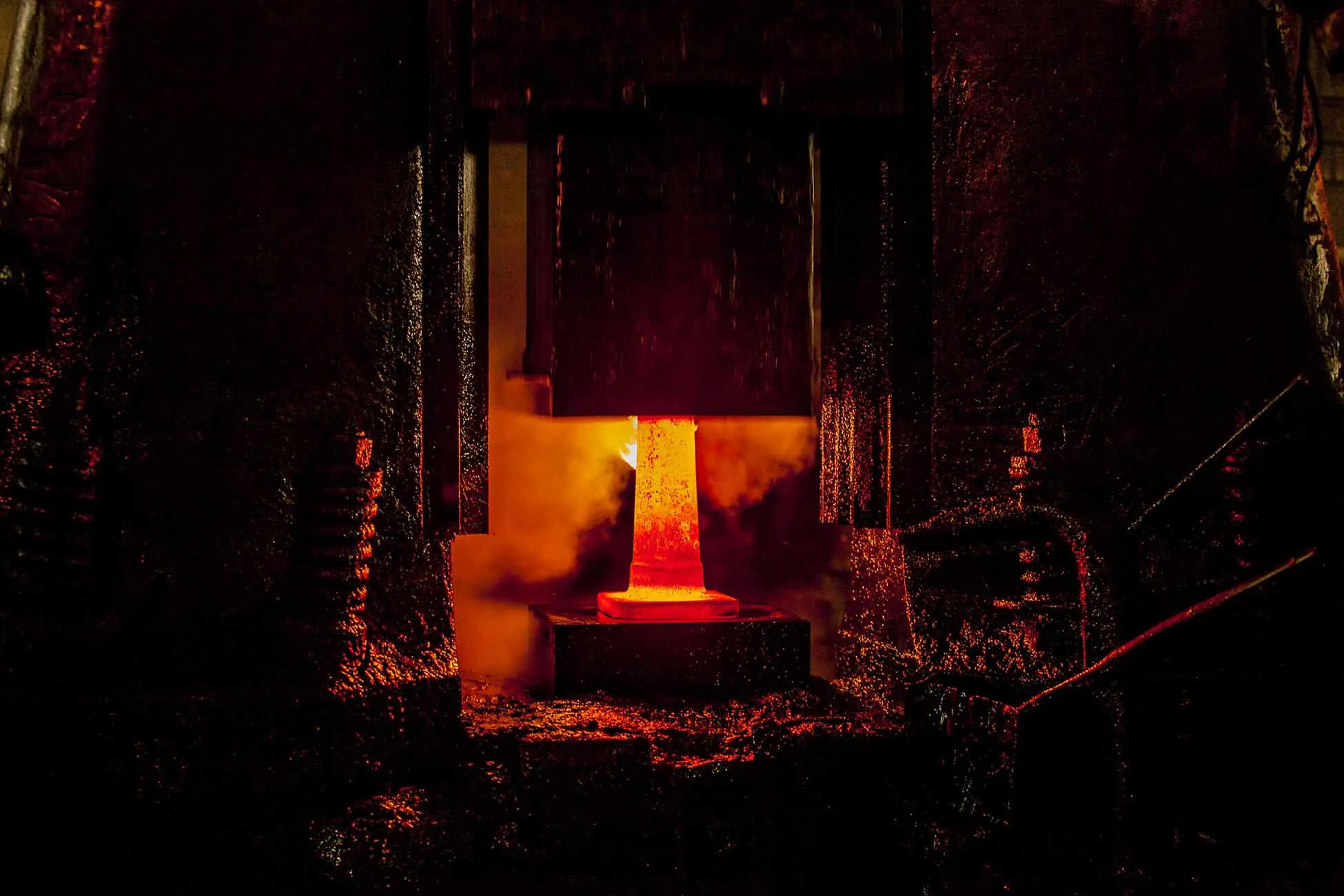
Drop forging, also known as hot forging, hammer forging, and impression die forging is a metalworking process that involves the shaping of metal by the application of compressive forces. The technique typically utilizes a set of dies and a hammer or press to deform and shape the metal into the desired form. Drop forging can utilize an an open die or a closed die forging press.
Unlike other forging processes like cold forging or cold working, hammer forging is performed at elevated temperatures, allowing for greater malleability and the creation of intricate designs into a desired shape.
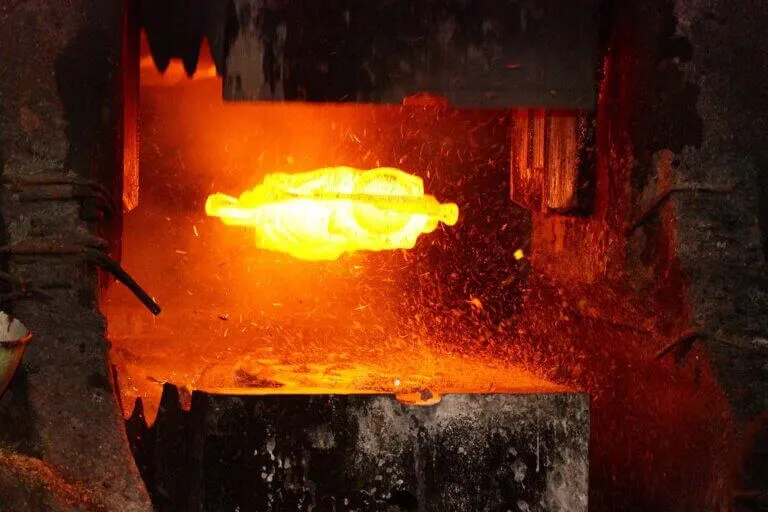
Key steps in drop forging:
- Material Selection: Drop forging can be applied to various metals, including steel, aluminum, and titanium. The choice of material depends on the specific requirements of the end product.
- Heating:The selected metal is heated to a temperature that makes it more pliable. This crucial step ensures that the material can be easily shaped without fracturing.
- Die Preparation: Dies, which are molds or forms, are carefully crafted to match the final design of the component. These dies play a pivotal role in determining the accuracy and quality of the forged part.
- Forging Process:The heated metal is placed between the dies, and a drop hammer or press is used to apply continuous pressure. The metal takes the shape of the dies, resulting in a forged component with enhanced strength and structural integrity.
- Strength and Durability: In comparison to CNC machining or casting, drop forging produces forged parts with greater strength and durability due to the grain structure or grain flow refinement that occurs during the process. The result is a product with continuous grain flow.
- Precision and Consistency: The use of dies ensures a precise shape, leading to forged parts with tight tolerances and consistent quality.
- Cost-Effective for Mass Production: Although the initial investment of the die may be expensive, drop forging becomes a cost-effective method for mass production, making it ideal for industries with high volume requirements.
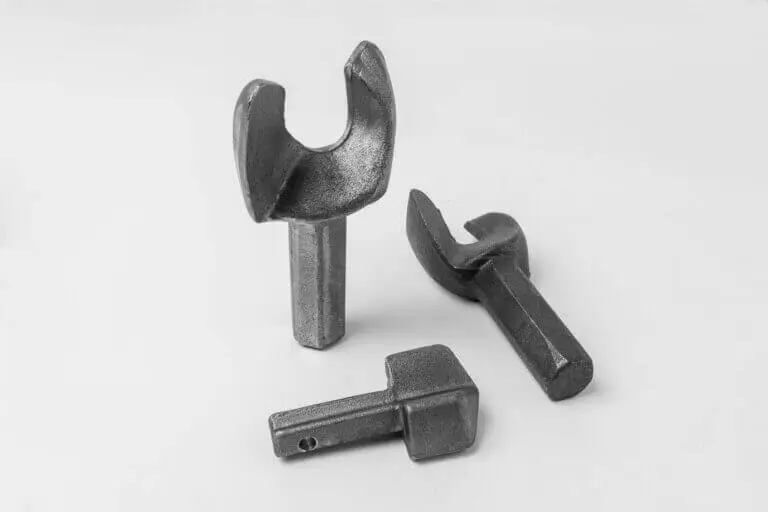
- Agriculture Industry: Many critical components, such as crankshafts, connecting rods, and gears, are often manufactured using hammer forging for their strength and reliability.
- Mining and Drilling: Drop forging is widely employed to produce components like drill bits and mining components that require high strength and precision.
- Industrial Equipment: Various industrial equipment, including valves, couplings, and tool components, benefit from the strength and durability provided by drop forging.
Drop forging, also known as hot forging, is a versatile manufacturing process that can be applied to a variety of raw materials. The choice of material depends on the specific requirements of the end product and the characteristics desired in the final forged component.
Here are some common materials used in the drop forging manufacturing process:
- Steel: Steel is one of the most commonly used materials in drop forging due to its excellent strength, durability, and versatility. Different types of steel, such as carbon steel, alloy steel, and stainless steel, may be used based on the application and required properties.
- Aluminum: Aluminum is often chosen for its lightweight properties. Drop forging aluminum components is advantageous in industries where weight reduction is a critical factor, such as aerospace and automotive.
- Nickel-Based Alloys: Alloys such as Inconel and Monel, which contain nickel, are used in drop forging for applications requiring resistance to high temperatures, corrosion, and wear. These alloys are often employed in aerospace and chemical processing.
- Tool Steels: For manufacturing dies used in the drop forging process, tool steels are essential. These steels are chosen for their high hardness, wear resistance, and toughness.
It’s important to note that the specific material selected depends on the mechanical properties required for the end product, as well as factors like cost, availability, and the intended application. The versatility of hammer forging allows manufacturers to choose materials that best suit the performance and durability needs of the components they are producing.
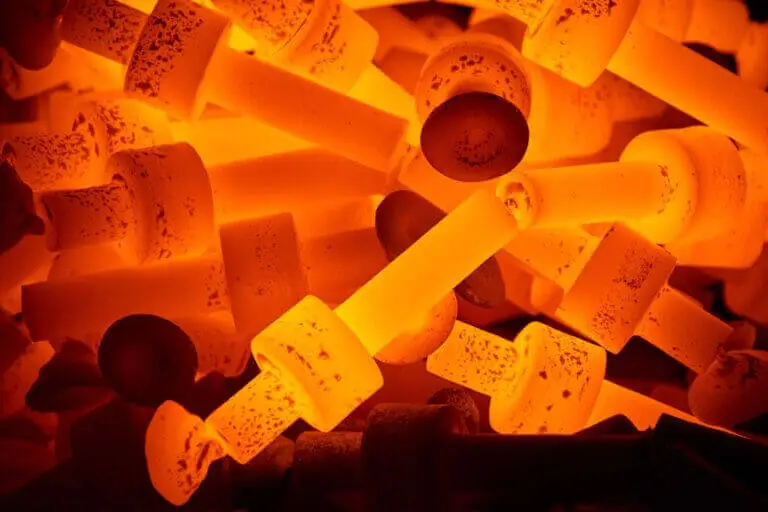
Drop forging involves the use of different types of drop hammers to apply repeated blows on the workpiece, shaping it into the desired form. The choice of hammer depends on factors such as the size and type of the workpiece, the material being forged, and the specific requirements of the forging process. The common types of hammers used in drop forging are power hammers, steam hammers, air hammers, gravity hammers, hydraulic hammers, and board hammers.
Drop forging and press forging are both metalworking processes used to shape and form metal components, but they differ in the way force is applied during the forging operation. Here are the key differences between drop forging and press forging:
- Drop Forging: In the drop forging process, the force is applied by a hammer die or a power-driven ram that is dropped onto the workpiece. The impact of the hammer’s blow deforms the metal into the shape of the dies. The force in drop forging is typically delivered in a single, quick stroke.
- Press Forging: In the press forging process, the force is applied gradually by a hydraulic forging press or mechanical press. The press exerts a sustained and controlled pressure on the workpiece, allowing for more precision in shaping and forming.
As a time-honored technique in the world of metalworking, hammer forging continues to play a crucial role in producing components that meet the highest standards of strength, precision, and durability. Its applications across diverse industries underscore its versatility and effectiveness in meeting the demands of modern manufacturing.
In an era of technological advancements, drop forging stands as a testament to the enduring value of craftsmanship and precision in shaping the materials that drive our world forward.
Contributed by @Simran Bhatia (April 2023)